Why Dictation Makes You Better at Using AI
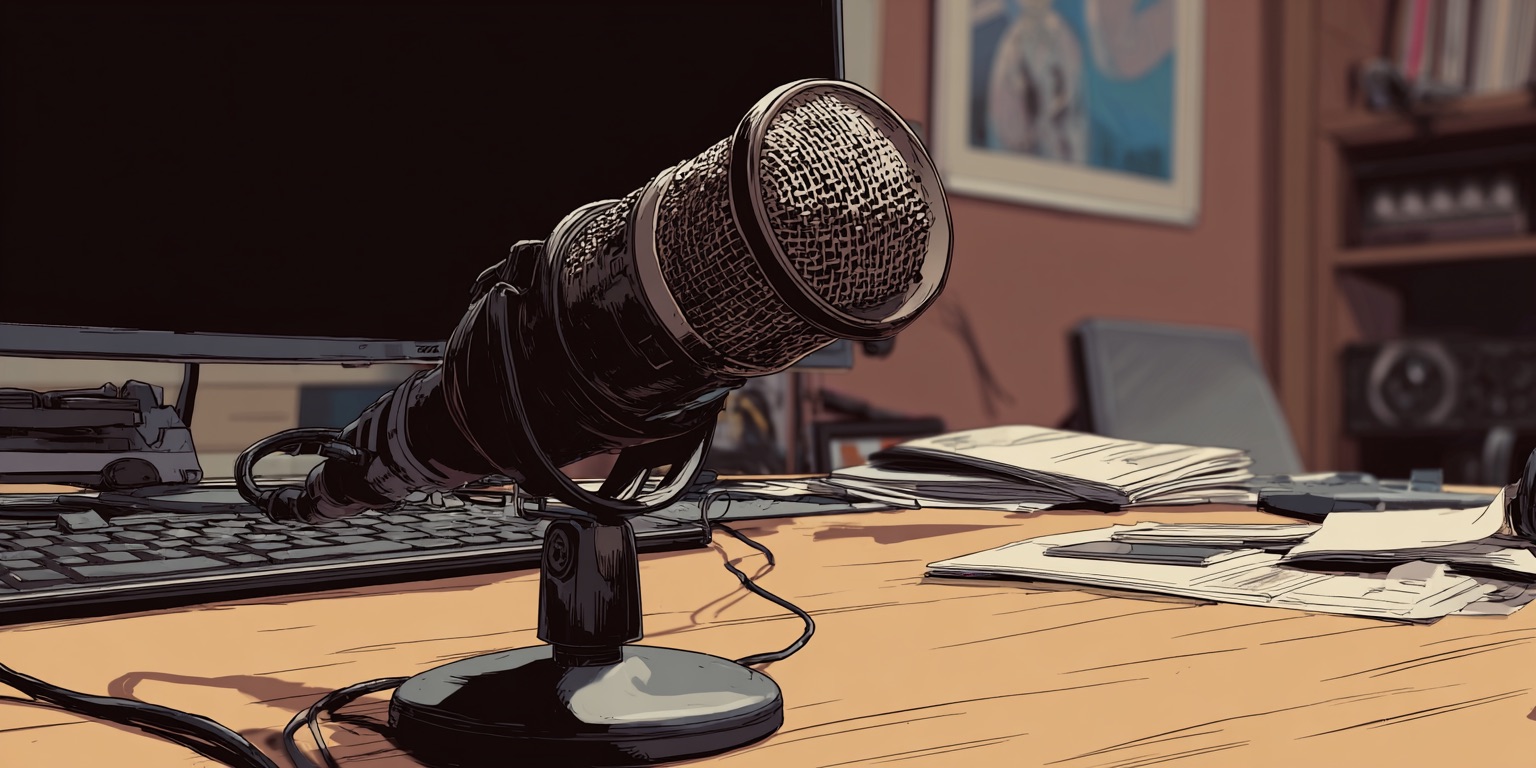
Dictation as an input method for AI systems is genuinely a game changer, and something I'd recommend to anyone dabbling in the space.
When you type out a request, you're already compressing your thoughts—editing yourself before the agent even sees the input. Dictation skips that. You get closer to the raw thinking, the specificity comes naturally, and the agents respond better for it. There's also just less exhaustion. Typing everything out has a tax to it that you don't notice until you stop doing it.
Specificity is the thing most people new to AI models underestimate. Models don't just perform better when you're clearer—they perform dramatically better. When you're typing, you naturally shorthand your requests. When you're talking, you fill in the context, the nuance, the "and what I actually mean by that is..." moments that make the difference between a response that's in the ballpark and one that nails it. Dictation makes you more specific almost by accident, and the output quality jumps accordingly.
I use Willow, but honestly the tool matters less than the habit. Once you start, it's hard to go back.
The friction I've run into is the office. At home it's completely frictionless—you just talk. But in an open workspace, I feel self-conscious. Like I'm being inconsiderate, or worse, like I'm exposing the messiness of how I actually think out loud. So I default back to typing more than I should.
I rewatched Her recently and it hit differently. And I'm not talking about the human-AI relationship stuff—that's a whole other conversation. I mean the UX. Nobody in that movie is hunched over a keyboard. They're just... talking. Walking around, living their life, and their computer is keeping up. That's the vision. A dictation-first future where talking to your computer is just normal. We're not there yet socially, but we're closer than people think. The tools are ready. The habits just need to catch up.